Thursday, July 14, 2011

Prague

The Royal Palace in Prague - saw the changing of the guard- not quite as impressive as Buck House but then only the Poms can do pomp & circumstance well.

Where's Wally?

Obviously in Prague drinking with the boys!

The clock that everyone watches - it's an astronimical clock & very hard to actually read the time.  Our guide had the answer - look at the one at the very top! (Sorry that didn't get in to the picture)

The Jewish quarter - only 6000 Jews remain in Prague.

A poster wrapped around a pole advertising an avant guarde art exhibition. Mel, Felicity & Trish - there's an idea!

A novel way to use post-it notes - the back drop for this window display.

Wenceslaus Square - did do some shopping there!

Farewell to Brugge

View across the roofs (or is it rooves) of Brugge - from the top floor of our apartment.

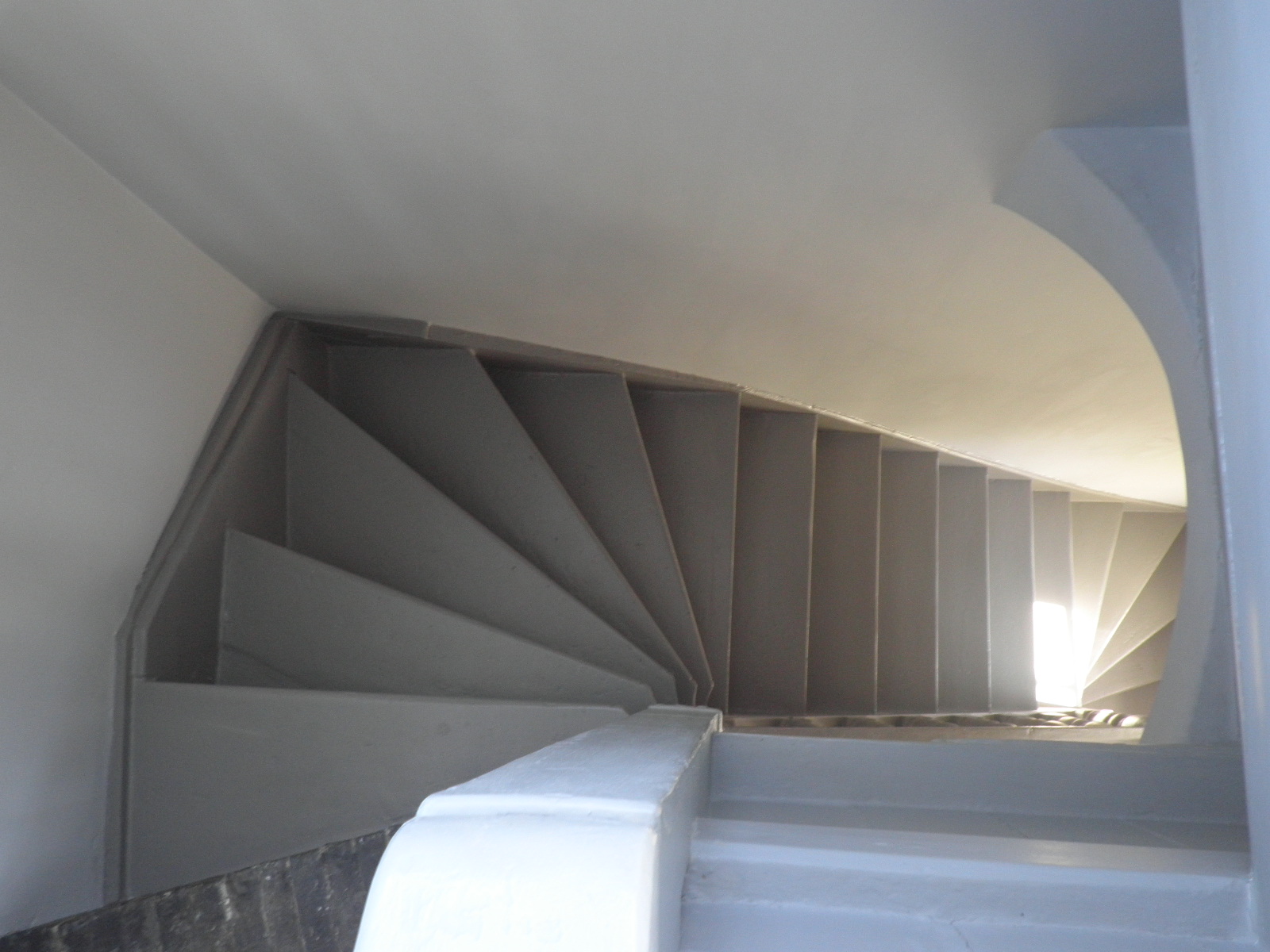
The stairs leading up to the top floor - narrow & steep.

We went to the biggest Flea Market we had ever seen.  It was near a kilometer in length & so many stalls & not a repeat in sight (not that we saw anyway).  Did buy a couple of postcards, a couple of cards that show children how to sew & a couple of the shutter latches - not sure what we are going to do with them.  HofM thought of putting shutters on one window just to be able to use them - still in discussion about that one!

Went to the Menin Gate in Ieper to hear the Last Post played.  It has been played every night since 1928 at 8.00pm & more & more people are gathering there to hear it.  A very moving ceremony.  Wreaths were also laid by family members.

So many bicycles & such colourful saddle bags.

Last meal of mussels & beer in Brugge - all gone!

Google were using a bike with cameras atop a pole to do the streets of Brugge.  Will have to keep an eye for that.

Farewell to La Tour - the end of a wonderful week in Brugge.

Tuesday, July 5, 2011

Beer that must be taste-tested!


HofM rose to the challenge of one of Belgium's chief taste testers.  His regret was that he did not get to sample all 750.

Flowers are beautiful the world over.


Some of these flowers are growing among the graves at Tyne Cot Commonwealth Graves Site. Taking the photos made it easier for me to move among the graves without dissolving in to a blubbery mess.  The last is a poppy growing wild in Flanders.  Apparently there are less & less poppies as they like disturbed land - you see a lot around road escavation sites  & along the side of the road but not many anywhere else.  I was happy to find a couple small ones.

"The Best of Belgium" & Flanders Fields" Tours

This moated Castle of Tillegem is now owned by the government of West Flanders & not open to the public but filled with beaurocrats 'working'.  There is water in the moat & believe it or not, they imported a pair of black swans from Western Australia & they now live very happily in the moat.

On to the Chateau of Loppem, privately owned & when the last of the line dies (he's now 91 & never married), the estate goes to a Trust that has been set up & this Trust will continue to look after the Chateau.  Even now, it is open to the public on certain days.

Belgian Blues - Belgium's own breed of cattle.  They have been bred to have very muscular legs & bodies.  The calfs are so big, each one is delivered by C-section.  It is the meat of Belgium.

A 12th Century Tithe Barn - the only building left on the the land that once housed a monastery.  It is a huge building, monster oak beams.  This barn is still used & is now owned by the Government & is slowly being restored as necessary.

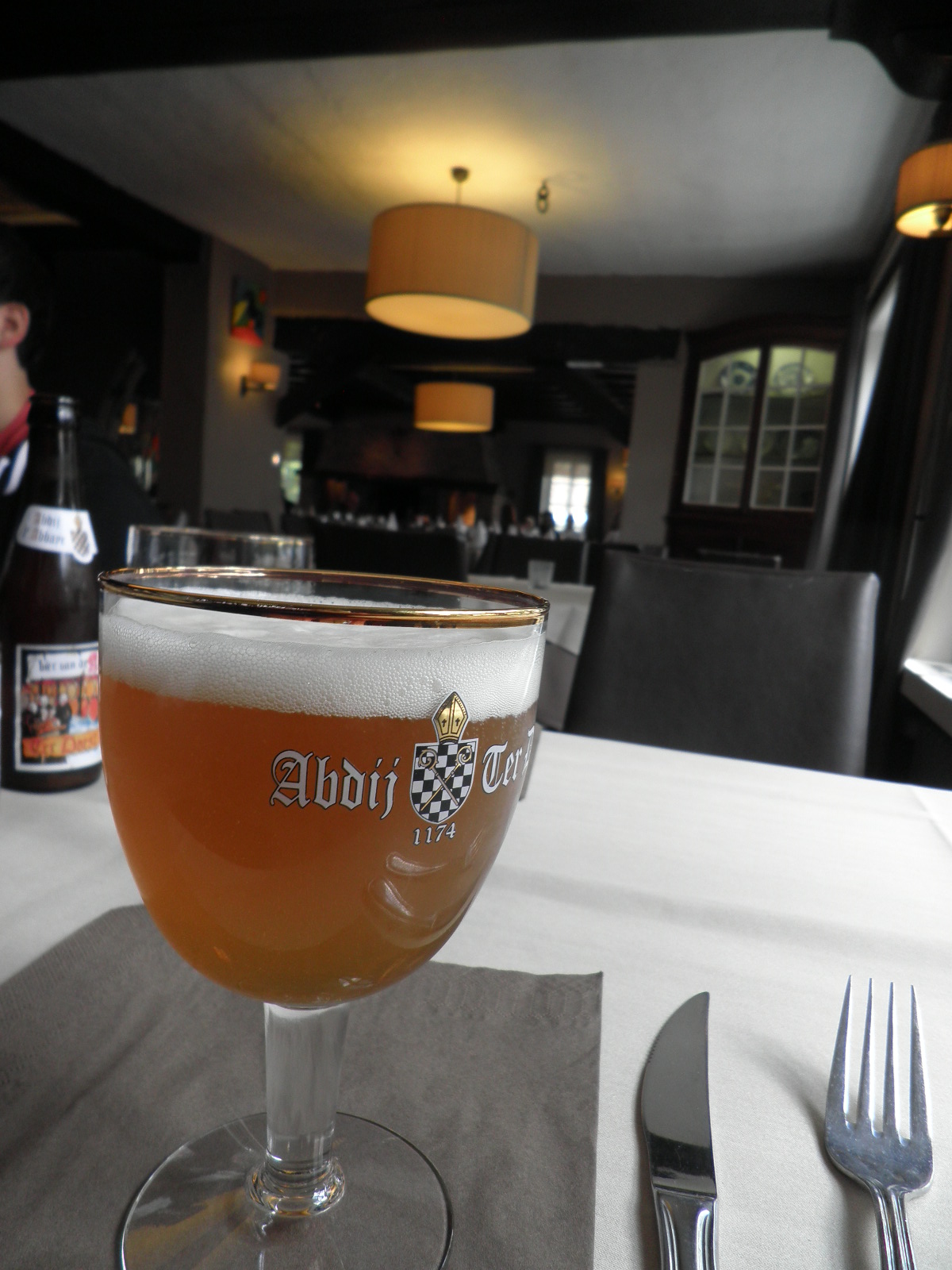
Part of the tour was Beer tasting - Belgium lays claim to having over 750 different beers - Belgians are very proud of their beers.  Each beer has its own glass & they are not your regular beer glass - these ones were shaped like a chalice as the beer is made by Trappist monks.


Died & gone to heaven. A chocolate factory - we saw how to make some chocolates, got to taste a few - OK quite a few.  It was so dreamy.

Our Flanders Fields tour followed the day after the "Best of Belgium" tour & as you can imagine was quite different.  Our guide Philippe showed us an unexploded bomb dug up by a local farmer.  This happens all the time - the farmers put the bombs, hand grenades, other bits of ammunition they find out next to the electricity pole to be collected by Army bomb squad.  They make regular pick ups. These people live with the World Wars every day.

This is Tyne Cot Cemetery - a Commonwealth War Grave site - so many lost their lives - it was really hard to look around & see the number of young men who gave their lives.

A lot of the graves have the inscription "Known only to God" -sometimes it also says, an Australian/British/New Zealand etc soldier.

Hill 60 has been made famous through a recent Aussie film.  This site has been left untouched after the war.  Only the trees, shrubs & grass have grown over the ground.  They have sheep to keep the grass down.

This is what Hill 60 looked like at the end of the war.

This is what it is like now.  We were all standing inside a crater that had been left by a massive explosion.

Ieper (Ypres) was totally destroyed in WW1 - pictures show just rubble. The city has been rebuilt just as it was prior to 1914.  This cathedral was finished in the 1960's. Hard to believe.  On a lot of buildings you can see that the first meter or so is the original blocks & then the new stuff follows. The city still has the look of a medieval city, particularly around the market square.

This was the end of our "Flanders Fields" tour - a dressing station where John McCrae worked.  He was a doctor - he wrote the poem "In Flanders Fields" during his time there & lost his life too.  It was certainly a sombre day but one I would not have missed.  The futility of war -the numbers of lives lost -those identified & those unknown.

Saturday, July 2, 2011

Inspirational Images from Brugge


Bell pulls - I'm sure something quilty can be done with these.

This is a latch that holds the window shutter open - the little man's head flops down, the shutter goes on to the bar & you put the man's head upright & it is now holding the shutter open.

A decorative bar that helps hold all the bricks together.

Door bell.

These heads hold the railings on a fence along the canal in place.  These intrigued HofM.

Why would you just use plain ole teracotta pots?


The wooden cogs inside the ancient windmill - not a nail in sight.
The sails of the windmill

Another bell pull complete with bell.

Abstract in with the ancient.

 Just another leaning chimney.
An emblem that appears all over the city - usually down low near the footpath.  Don't you think lots of these images will translate in to a quilt or two. Hopefully I will be able to take the step from just dreaming to making those quilts a reality.